roundup
Best podcast editing services in 2026, by what you need
The Cliphound editors Human curation team
There's no single best podcast editing service, because 'editing' covers at least three different jobs: producing a full video episode from raw footage, cleaning up the audio of an episode you've already recorded, or turning finished episodes into short clips for social. This roundup is grouped by which of those you actually need, with real, published prices wherever the provider makes them public.
In short
Podcast editing services fall into three groups: full-service B2B production, audio-first per-episode editing, and clips-from-your-episodes subscriptions. This roundup names real providers in each group, including Cliphound, described the same way as everyone else: published pricing only, no invented scores, no rankings, just grouped by the job each one actually does.
How we grouped these
“Podcast editing” covers at least three different jobs, and most of the confusion in this category comes from providers using the same word for all of them. Search “best podcast editing services” and you will land on several different roundups that barely overlap, not because anyone is wrong, but because each one is quietly answering a different question: some are ranking full production agencies, some are ranking audio freelancers, and a few barely mention services at all and default to comparing editing software instead. That disagreement is itself the honest answer to “what’s best”: it depends entirely on which job you’re hiring for.
We split what follows into the group each provider is actually built for, based on how they describe themselves and what they publish, then listed real prices wherever a provider makes them public. Where we couldn’t find a published price anywhere on a provider’s own site or in an independent source, we left them out rather than guess or estimate on their behalf.
It’s worth saying directly: none of the three jobs is inherently better than the others, they simply solve different problems. A show that needs full production handled has a different bottleneck to a show that just needs its audio tidied up, which has a different bottleneck again to a show sitting on a backlog of finished episodes and no time to cut clips from them. Matching the group to your actual bottleneck matters more than any ranking could.
One more thing before the list: Cliphound is our own service, so you will see it below too, in the group it actually belongs to. We’ve described it exactly the same way as everyone else: published pricing, no scorecard, no invented ranking, and it is not positioned first or labelled “best.”
Full-service B2B production
This group covers the full job: someone shoots or receives your raw footage, edits it, and produces a finished, published episode, often alongside strategy, show notes, distribution and growth work rather than just cutting an existing recording. It tends to be priced either per episode or as a larger monthly retainer that reflects the amount of work involved.
We Edit Podcasts positions itself as B2B video podcast production and growth, the full job from raw footage to a finished, published episode. It’s an established operation, trusted by 4,000+ clients since 2015 according to its own site, and pricing starts at $70 per episode according to Buzzsprout’s independently published roundup of podcast editing and production companies.
Full-service production tends to suit shows treating the podcast as a proper media property, its own brand, regular guests, a growth target, rather than a single host recording alone into a microphone. The trade-off for that breadth is usually a bigger monthly commitment and, often, a minimum contract length, so it’s worth confirming both before signing anything. It’s also worth asking what happens if your episode volume changes mid-contract, since a retainer built around a fixed cadence can be slow to flex either up or down. For the fuller case on comparing full production against a clips-first, human-curated alternative, see our podcast editing service comparison.
Audio-first, per-episode editing
This group is narrower and usually simpler to price: you record the audio, they clean it up, noise reduction, levels, pacing, cutting the ums and dead air, and hand back a finished episode ready to publish. There’s no video production involved, which tends to make per-minute or per-episode pricing more common than a flat monthly retainer.
Barevalue sits squarely in this group: audio only, priced per minute rather than per episode or per month. It markets itself explicitly as “Quality Podcast Editing by Human Audio Engineers,” at $1.79 a minute with a 4-day turnaround, which puts a roughly hour-long episode at around $107.
Barevalue’s own positioning, human editors specifically rather than an automated pass, is a useful market data point: independent evidence that “a human did this” is something buyers in this category are willing to pay a premium for, not just a line we use about our own service. Audio-first editing tends to suit shows that already have their visual side sorted, or don’t publish video at all, and just need the listening experience itself to sound professional. It’s usually the lowest-priced of the three groups here, precisely because the job is the most narrowly defined.
Clips-from-your-episodes subscriptions
This group is the closest match to a done-for-you podcast clipping service: a recurring monthly plan rather than a per-project quote, aimed at turning episodes you’ve already recorded into short-form clips for social, rather than producing or cleaning up the episode itself. It tends to suit shows that already have a content pipeline for the episode itself, their own editor, an in-house process, or simply no video production at all, and specifically want someone else to handle turning finished recordings into short-form content, usually the part that takes the most time and judgement to do well.
A typical fit here is a show already publishing weekly or biweekly, video or audio, where the host or a producer has neither the time nor, often, the specific eye for which thirty seconds of a forty-minute conversation will actually travel. That’s a narrower, more specific skill than general video editing, which is part of why it’s usually sold as its own category rather than folded into a broader editing retainer.
Cliphound (ours) is $299 a month for 12 finished clips with a three-day turnaround. A human watches the whole episode and chooses which moments become clips, rather than asking you to supply timestamps.
One episode. Its best moments.
A real editor watched all 44 minutes and pulled the moments worth posting.
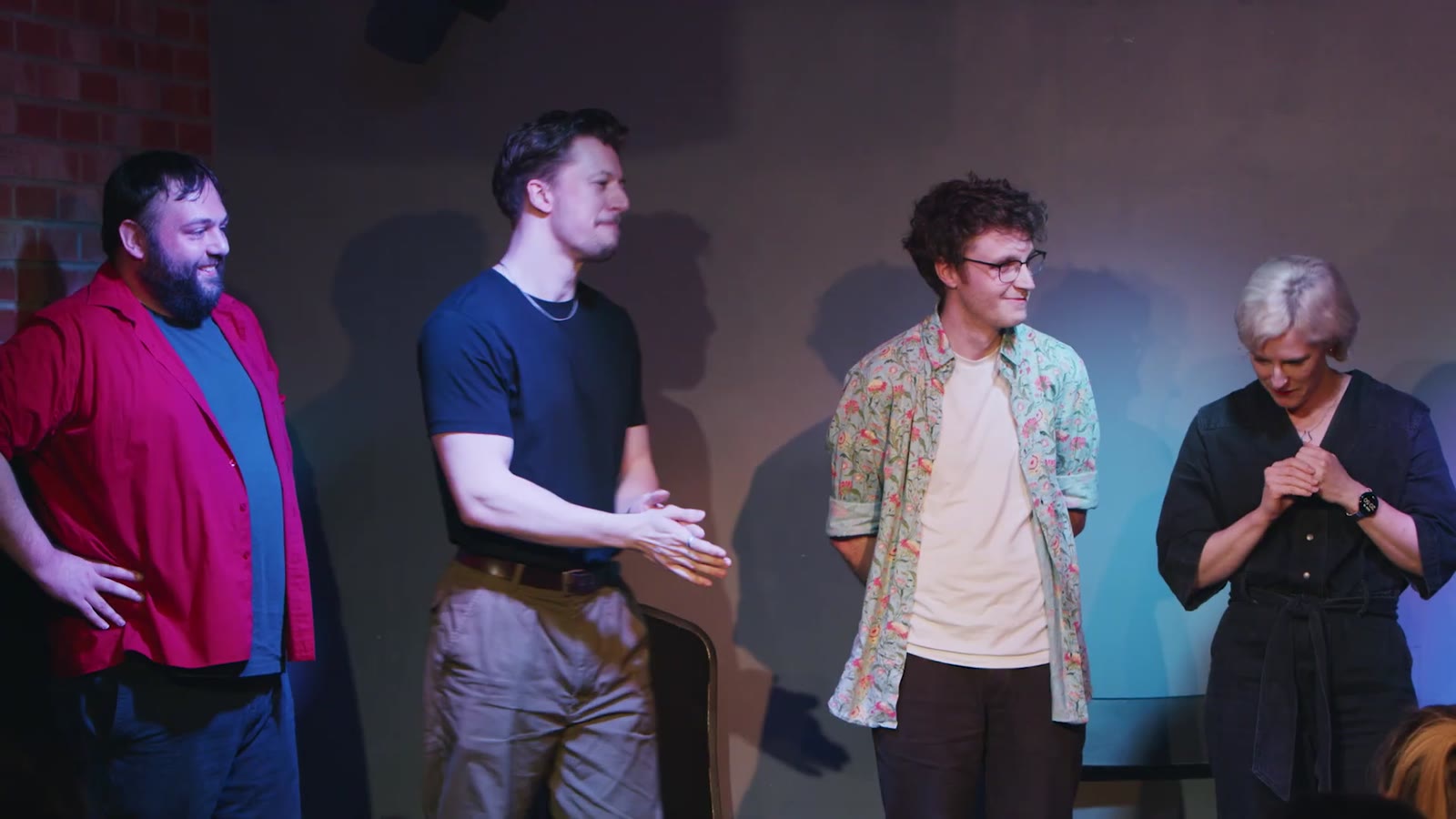
The full episode · 44 min
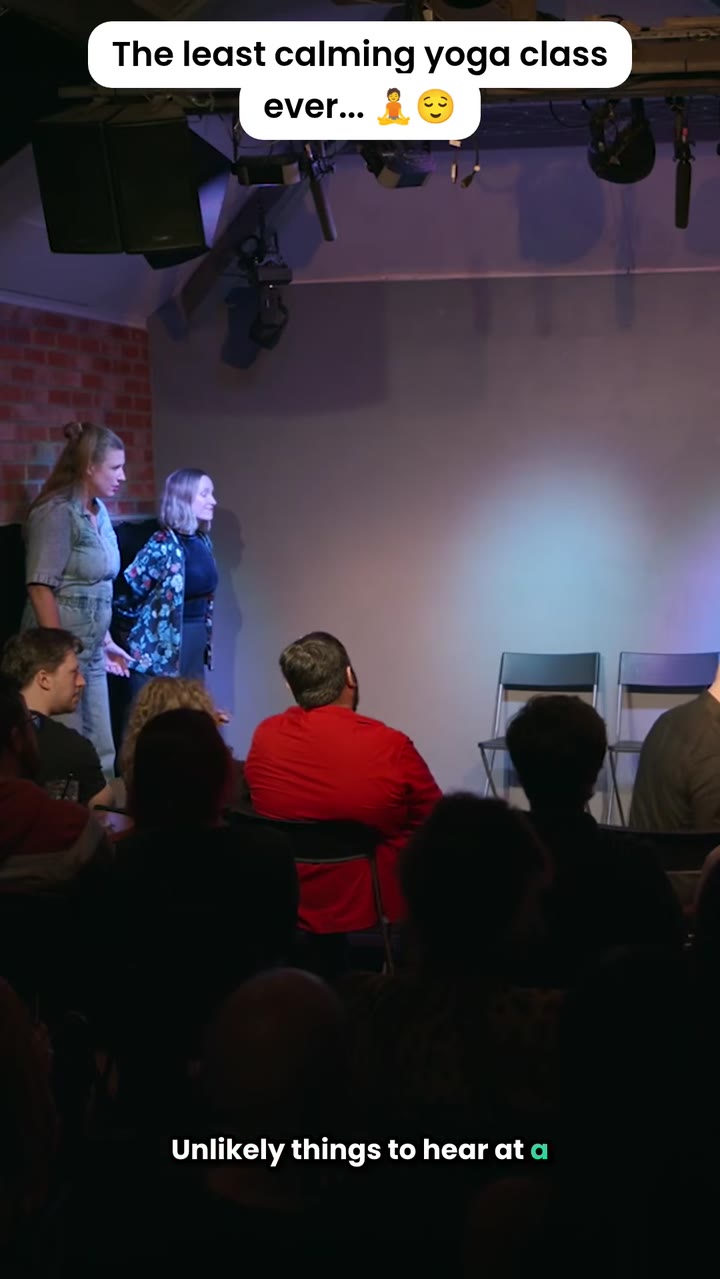
One of the ten clips we chose
If clips from your own episodes is what you need: get started - three quick questions, no commitment, nothing to pay to get started.
Vidchops runs $495 to $995 a month depending on plan, a monthly video editing subscription in the same general pricing band as the wider video editing subscription category.
beCreatives starts at $899 a month, a flat monthly rate for ongoing video editing requests.
Video Husky starts at $849 a month, structured around submitting editing requests and revisions rather than a fixed per-clip price.
None of the three above publish a breakdown of exactly how much of their monthly rate is specifically short clips versus general video editing work, so if clips from existing episodes are the whole job you need done, it’s worth confirming that scope directly with them before signing up. That’s not a criticism; most subscription video editors are built to be flexible across many request types, which is a different design choice from a service built specifically around episode-to-clips curation.
What the price differences actually tell you
The prices above span a wide range, roughly $70 an episode at the low end up to several hundred dollars a month at the high end, and that range is not really about quality so much as about how much curation and judgement is built into the price. A per-episode audio clean-up is a relatively mechanical, repeatable job, broadly similar effort every time, so it prices simply. A monthly plan that includes finding the right moments across an entire episode is a judgement-heavy job that varies episode to episode, which is part of why it tends to be priced as an ongoing plan rather than a one-off rate.
None of this means the lowest-priced option in any group is a false economy, or that the most expensive is automatically the most thorough. It means the price is mostly tracking how much of the actual finding-the-moment or cleaning-the-audio work is being done for you, versus how much structure and automation is doing the work behind the scenes. Asking directly, rather than assuming from the number alone, is the more reliable way to know which you’re getting. This mirrors the wider market: our guide to podcast editing costs breaks down the full landscape by tier, from roughly $50 to $100 a month at the DIY-adjacent end up to $1,000 to $5,000 or more for full agencies, and every provider in this roundup sits somewhere inside that range depending on how much of the job they’re actually doing for you.
Why some well-known names aren’t on this list
Podcast editing and production is a crowded market, and plenty of agencies with strong reputations don’t publish pricing publicly at all, quoting only after a call. That’s a legitimate way to run a custom-scoped service, but it also means we can’t include them here without guessing at a number, which we won’t do. This isn’t unique to podcast editing either; most B2B service categories work this way once you get past the first few consumer-facing names. If a provider you’re considering isn’t listed above, ask them directly for their rate card rather than assuming the absence means anything about quality. This list will also change as more providers publish transparent pricing; we’ll update it as that happens.
Questions worth asking before you commit
A few questions are worth asking any provider in any of the three groups above, before you sign up rather than after:
- Who actually decides what gets cut? Ask specifically whether a person watches the full recording, or whether selection happens automatically and a person only reviews the output. The two produce noticeably different results, and the answer isn’t always obvious from the marketing page.
- What exactly is included in the price? A per-episode or per-minute rate is easy to compare; a monthly plan with open-ended scope is harder to compare without asking directly what a typical month actually includes.
- What’s the turnaround, and does it hold during your busiest weeks? A published turnaround time is only useful if it holds when you need it most, not just in the provider’s average case.
- How do revisions work? Ask whether revision rounds are capped or flexible, and what counts as a revision versus a new request, before a scope disagreement becomes the first real friction point with a new provider.
- What happens if you want to pause or leave? A rolling monthly arrangement with no lock-in is a very different commitment from a long minimum term, and it’s worth knowing which one you’re actually signing up for.
- Can you see a real, finished example first? Written descriptions and pricing pages only tell you so much; a real before-and-after example, on your own content if possible, tells you whether the judgement behind it matches what you’re looking for.
How to choose between the three
There is no wrong starting point here, only a mismatch if you pick a group built for a different job than the one you actually have. A full-service agency handling raw footage will do that job well and be poor value if all you needed was audio cleanup; an audio-only editor will do a great job on levels and pacing and simply can’t help if what you actually needed was clips.
If you publish video episodes and want a full production partner handling everything from raw footage onward, start with the full-service group. If you just need the audio itself cleaned up episode by episode and nothing else, an audio-first editor is the simpler, more targeted fit, and usually the lower-priced one. If your episodes are already finished and what you actually need is short-form clips pulled from them, that’s the clips-from-episodes lane, and it’s worth confirming exactly how those clips get chosen before you commit.
Some podcasters use more than one of these at once, an audio editor for the episode itself and a separate clips service for social, because the two are genuinely different jobs even when a single provider offers to bundle both. There’s no rule that says you have to solve this with one contract.
Whichever group turns out to be the right one, the same basic test applies: ask what specifically you’re paying for, watch a real example if you can get one, and confirm the scope in writing before your first invoice, not after. None of that takes long to check, and it costs far less than finding out about a mismatch three months into a contract.
Frequently asked questions
What's the difference between a podcast editing service and a podcast clipping service? +
A podcast editing service typically works on the episode itself, cleaning up audio or producing the full video. A podcast clipping service takes episodes you've already finished and turns them into short clips for social media. Some providers do both; most specialise in one.
How much does a podcast editing service cost? +
Rates span a wide range: roughly $70 an episode for full production up to $1.79 a minute for audio-only editing, with several monthly subscription options priced between about $299 and $995 a month, depending on how much of the job is included.
Do any of these services pick the clips for me, or do I need to tell them what to use? +
This varies by provider, and it's worth asking directly before signing up. At Cliphound specifically, a human watches the whole episode and chooses the moments; you don't need to supply timestamps or a brief.
Is a lower-priced option always the better deal? +
Not necessarily. Lower per-episode pricing usually reflects a more mechanical, repeatable job with less curation time built in, not lower-quality work. The right question is whether the scope matches what you actually need, not just the number.
Can I use more than one of these services at once? +
Yes, and plenty of podcasters do: an audio editor for the episode itself, and a separate clips service for social, because they're genuinely different jobs even when one provider offers to bundle both.
How do I know which group I need? +
Start from what you already have finished. If you need the episode itself produced from raw footage, look at full-service production. If the episode is recorded but the audio needs cleaning up, look at audio-first editing. If episodes are already finished and you want clips for social, that's the clips-from-episodes group.
Related articles
Podcast editing service, built for clips
A podcast editing service built for clips - a human picks the moments, not full audio post-production.
comparisonPodcast clipping service: a human picks the moments
A done-for-you podcast clipping service - a human editor picks the moments, not an algorithm.
guideHow much does a podcast editor cost in 2026? Real rates by tier
Real rates by tier, from DIY-adjacent options to full agency retainers, and where a done-for-you plan fits.
If clips-from-episodes is what you need
Three quick questions. No commitment, nothing to pay to get started.
Get started →